

Repositioning
Our container repositioning service moves empties from where they accumulate to where they earn. Import-heavy ports and inland depots build stock; export gateways run short. We close the gap with cabotage matching, liner slot contracts, depot balancing and rail routing inland.
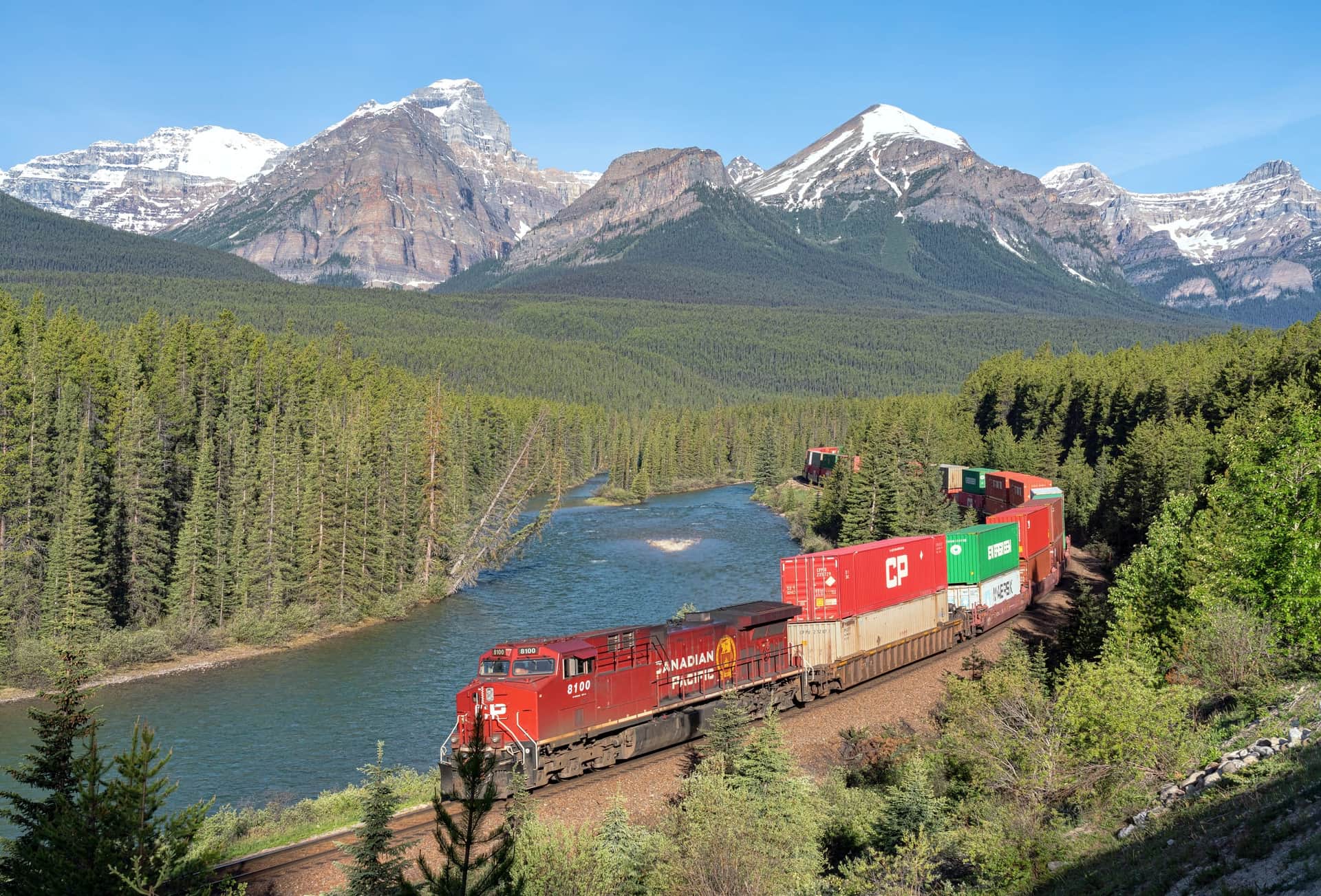
The result is fewer empty miles, lower storage charges at the surplus end and equipment available where the next booking is. The empty container surplus at US West Coast and northern European ports is where most programmes start.
Who it is for
- Shipping lines with stock building at import-heavy ports.
- Lessors and owners with boxes idle at inland depots.
- Operators who want a utilisation plan for a fleet, not just a move.
Empty container repositioning: surplus to deficit
Surplus port or depot
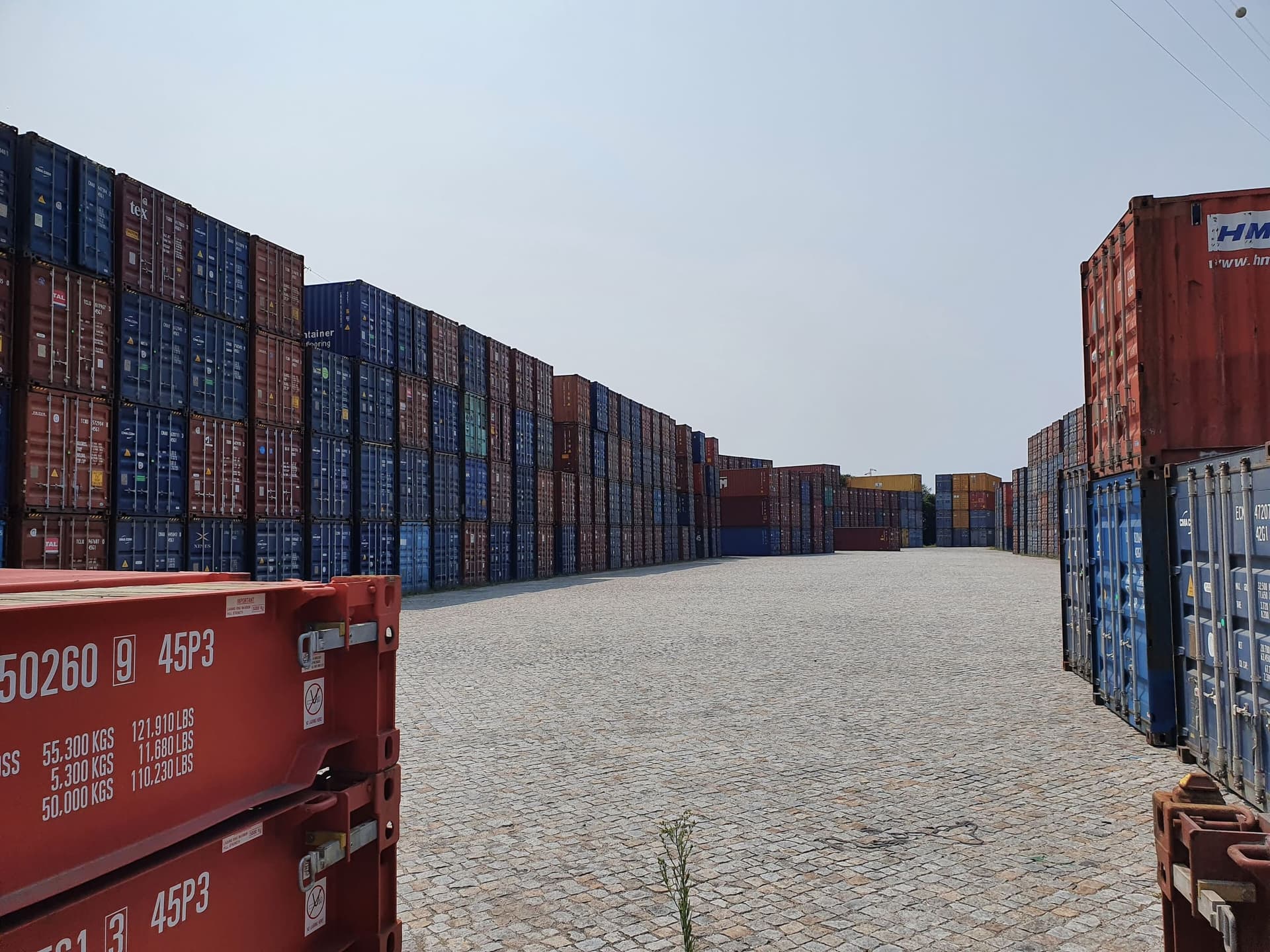
Import-heavy gateways and inland depots where empties build up and storage charges compound.
Move by the cheapest earning leg
- Cabotage match with domestic cargo
- Liner slot contract
- Depot balancing nearby
- Rail routing inland
Export node
Manufacturing gateways where the next booking is, with equipment ready to release.
How we execute repositioning
01
Understand the requirement
Current stock by depot and size, the destinations that need equipment, and the tenor.
02
Assess the market
Cabotage cargo available on the route, liner slot rates, rail options and the cost of leaving the boxes where they are.
03
Execute
The programme: which units move by which mode, the interchange at each depot, and reporting per move.
04
Ongoing support
Monthly review of stock by depot so surplus is caught before storage charges compound.
What you provide
- Stock list by depot, size and grade
- Destinations and required dates
- Tenor of the programme
What happens after the enquiry
A director replies with a programme outline: modes, depots, estimated transit and cost per unit, then confirms each move as it is booked.
Questions buyers ask
What is cabotage matching?
Pairing an empty box that needs to move with domestic cargo travelling the same way, so the repositioning leg earns freight instead of costing a tariff.
How long does a move take?
It depends on the mode and route. The programme states the estimated transit per leg.
Who pays rail and terminal charges?
They are itemised in the programme and invoiced per move unless a fixed price per unit is agreed.
What reporting do we get?
An interchange record per unit at each depot and a monthly stock-by-depot summary.
The same laden-leg logic drives one-way leasing: the box moves once, with cargo, and stays where demand is.
Container types we reposition
- 20′ DryISO 1CC · 6,058 × 2,438 × 2,591 mm
- 40′ DryISO 1AA · 12,192 × 2,438 × 2,591 mm
- 40′ HCISO 1AAA · 12,192 × 2,438 × 2,896 mm
Drawn to one scale; the dashed outline inside each 40ft type is a 20ft box.
Other services

Tell us the equipment, grade, quantity and lane.
A director replies within one working day with availability and an indicative price.
Photo: TrainLearnGrow, CC BY-SA 4.0
